
The Ultimate Guide to Online Forex Trading 1940884672

Online forex trading has become increasingly popular over the last decade, opening doors for both novice traders and seasoned professionals. With the accessibility of trading platforms and a wealth of information available online, more people are eager to get involved in the global currency markets. In this article, we will explore the essentials of online forex trading, such as trading strategies, the tools you need, and key tips to enhance your trading experience, including reliable sources like online forex trading South Africa Brokers.
Introduction to Forex Trading
The foreign exchange (forex) market is the largest financial market in the world, with a daily trading volume exceeding $6 trillion. Unlike stock markets, forex trading happens 24 hours a day, five days a week, allowing traders to engage in buying and selling currencies around the clock. The principal aim of forex trading is to profit from the fluctuations in exchange rates between different currencies.
Why Trade Forex?
There are several reasons why individuals choose to trade forex:
- High Liquidity: The forex market is highly liquid, meaning that there are always buyers and sellers available, which makes it easier to enter and exit positions at desired prices.
- Leverage: Many forex brokers offer leverage, which allows traders to control larger positions with a smaller initial investment. However, while leverage can amplify gains, it can also increase the risk of substantial losses.
- Variety of Options: With numerous currency pairs available to trade, such as EUR/USD, GBP/USD, and USD/JPY, traders have a wide range of options and can diversify their trading strategies.
- Accessibility: Online trading platforms and mobile applications have made forex trading accessible to almost anyone with an internet connection.
Getting Started with Forex Trading
Before diving into trading, it is crucial to understand some essential elements of forex trading:
1. Choose a Reliable Broker
Selecting a trustworthy forex broker is paramount. Look for brokers who are regulated by reputable financial authorities and offer transparent pricing, good customer service, and a wide range of trading tools. Resources like South Africa Brokers can be beneficial in finding reliable brokers in your region.
2. Develop a Trading Plan
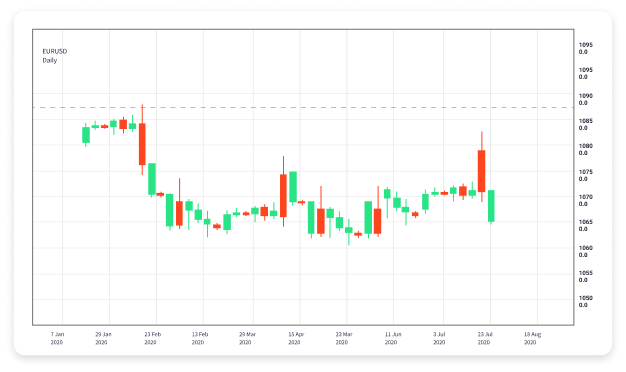
A well-structured trading plan defines your trading goals, risk tolerance, and entry and exit strategies. Be sure to test your plan through backtesting and demo trading before applying it in a live environment.
3. Understand Forex Terminology
Familiarize yourself with essential forex terms, such as pips, lots, leverage, and margin. This knowledge is vital for effective trading and risk management.
Trading Strategies
Choosing a trading strategy depends on your risk tolerance, available time for trading, and market conditions. Here are some common strategies:
1. Day Trading
This is a short-term trading strategy where traders open and close positions within the same trading day. Day traders typically rely on technical analysis and charting tools to make quick decisions.
2. Swing Trading
Swing traders hold positions for several days or weeks to capitalize on expected market moves. This strategy is well-suited for individuals with other commitments who cannot monitor the market constantly.
3. Scalping
Scalping involves making numerous trades throughout the day with small profit margins. This strategy requires a deep understanding of market movements and quick decision-making.
Tools for Forex Trading

Successful forex trading often relies on various tools and resources:
1. Trading Platforms
A good trading platform is essential for executing trades. Popular platforms include MetaTrader 4 (MT4) and MetaTrader 5 (MT5) known for their user-friendly interfaces, advanced charting capabilities, and numerous technical indicators.
2. Economic Calendar
Economic events and indicators play a significant role in currency movements. An economic calendar provides important dates for scheduled news releases, helping traders anticipate potential market volatility.
3. Technical Analysis Tools
Technical analysis involves analyzing historical price movements and using indicators such as moving averages, Bollinger bands, and Fibonacci retracement levels to predict future price action.
Risk Management in Forex Trading
Forex trading involves inherent risks, and managing those risks is crucial to long-term success. Here are key risk management techniques:
- Set Stop-Loss Orders: This invaluable tool automatically closes a trade at a predetermined loss level, protecting your capital from significant downturns.
- Manage Your Leverage: While the potential for higher returns with leverage is appealing, it can also amplify losses. Use leverage responsibly and only take on risks you can afford.
- Diversify Your Portfolio: Avoid placing all your investments in one currency pair. Diversifying can help mitigate risks and achieve more stable returns.
Conclusion
Online forex trading presents an exceptional opportunity for individuals looking to venture into financial markets. With the right knowledge, tools, and strategies, traders can harness the potential of currency fluctuations to generate profit. However, success in forex trading also requires diligence, patience, and strong risk management skills. By leveraging resources like South Africa Brokers and continuously improving your trading strategies, you can work towards achieving your trading goals.
No Comments